
Introduction
Digital optimization has evolved beyond testing individual page elements. While A/B Testing remains a fundamental experimentation technique, organizations are increasingly adopting Experience Testing to evaluate and optimize complete customer journeys.
Although both approaches rely on experimentation and data-driven decision-making, they differ significantly in scope, objectives, and business impact.
What is A/B Testing?
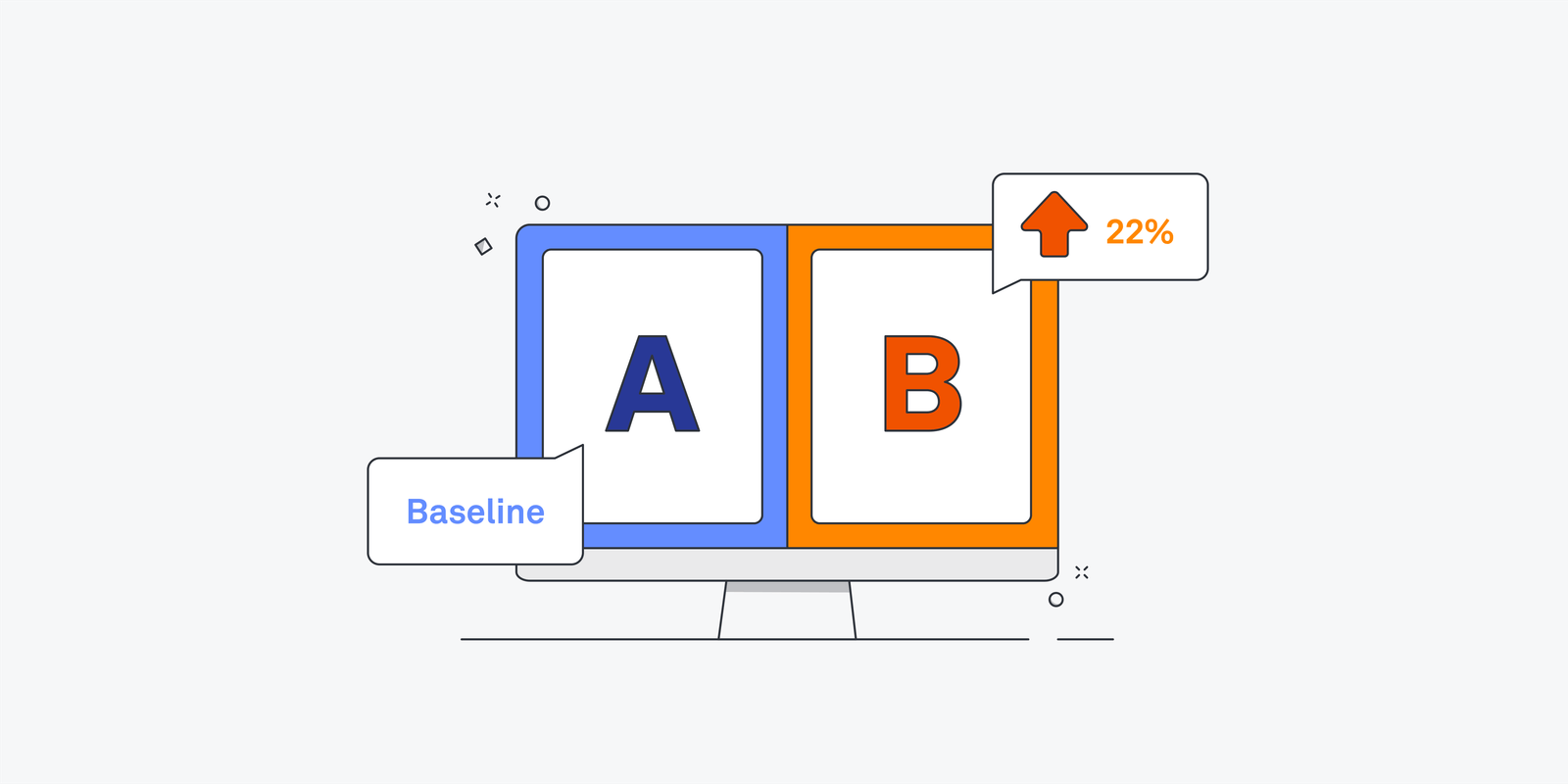
A/B Testing is a controlled experimentation method used to compare two or more variations of a digital asset to determine which version performs better against a predefined business metric.
Users are randomly divided into separate groups, with each group exposed to a different variation. Statistical analysis is then used to identify the highest-performing version.
Typical Use Cases
- Call-to-action (CTA) optimization
- Landing page improvements
- Headlines and messaging
- Form optimization
- Email campaigns
- Pricing layouts
- Promotional banners
Key Benefits
- Simple to design and execute
- Produces statistically measurable results
- Reduces decision-making based on assumptions
- Supports continuous optimization through incremental improvements
Considerations
A/B Testing is primarily focused on optimizing individual components of a digital experience. While it effectively answers questions such as "Which version performs better?", it does not evaluate how multiple interactions across the customer journey influence overall business outcomes.
What is Experience Testing?
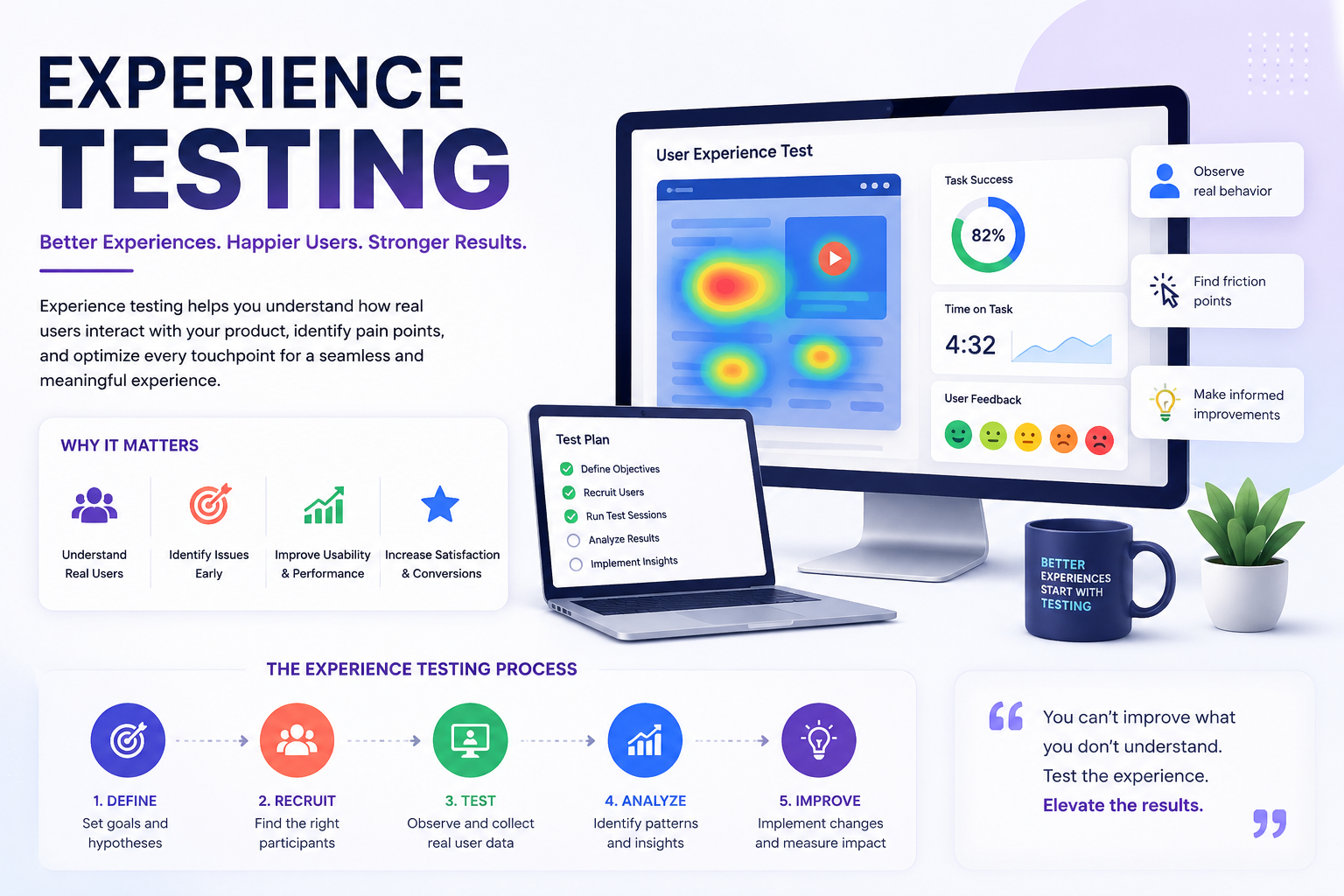
Experience Testing is a broader experimentation strategy that evaluates how combinations of personalized content, functionality, and customer interactions influence the overall user experience.
Rather than testing a single page element, Experience Testing assesses the effectiveness of an end-to-end customer journey across multiple touchpoints.
This may include:
- Personalized homepage content
- Product or content recommendations
- Navigation structure
- Promotional messaging
- Search experiences
- Checkout or booking flows
- Loyalty experiences
- Cross-device consistency
The objective is not simply to improve individual metrics, but to optimize overall customer engagement, conversion, retention, and long-term business value.
Practical Example
A/B Testing Scenario
An airline wants to improve bookings on its homepage.
Two versions of the booking CTA are tested:
- Variation A: Blue "Book Now" button
- Variation B: Orange "Book Now" button
The experiment measures click-through rate and booking conversions. If Variation B delivers higher conversion with statistical confidence, it becomes the new default experience.
Experience Testing Scenario
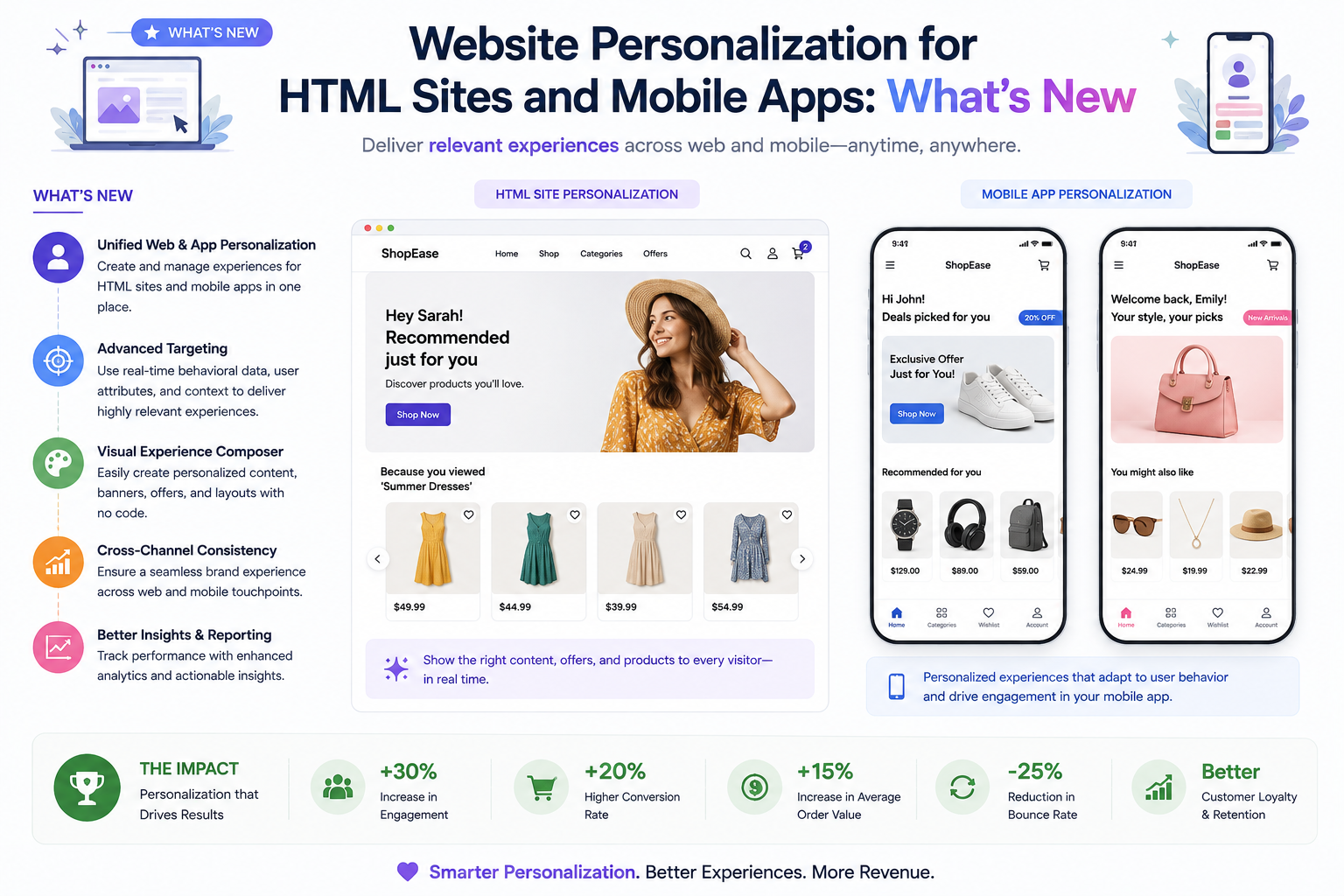
Instead of modifying a single CTA, the airline personalizes the entire homepage based on customer behavior.
Returning visitors may see:
- Recently searched destinations
- Personalized flight recommendations
- Relevant promotional offers
- Loyalty programme information
- Dynamic destination imagery
- Recommended ancillary services such as baggage or seat selection
Success is evaluated using broader business metrics, including:
- Booking completion rate
- Average booking value
- Customer engagement
- Repeat visits
- Customer lifetime value (CLV)
This approach provides a more comprehensive understanding of how personalization influences overall customer behaviour.
Comparison
| FeatureA/B TestingExperience Testing | ||
| Primary Focus | Individual page elements | End-to-end customer experience |
| Scope | Single experiment | Multiple interconnected experiences |
| Personalization | Limited or optional | Core capability |
| Audience Strategy | Random audience allocation | Behavioral and audience segmentation |
| Success Metrics | Click-through rate, conversions | Revenue, engagement, retention, CLV |
| Complexity | Low to moderate | Moderate to high |
| Business Objective | Optimize individual interactions | Optimize the complete customer journey |
When to Use A/B Testing
A/B Testing is most effective when the objective is to validate a specific hypothesis or improve a clearly defined user interaction.
Examples include:
- Improving form completion rates
- Optimizing call-to-action performance
- Comparing alternative page layouts
- Testing promotional messaging
- Increasing email engagement
When to Use Experience Testing
Experience Testing is appropriate when organizations seek to optimize customer journeys rather than isolated interactions.
Typical scenarios include:
- Personalized website experiences
- Omnichannel customer journeys
- Loyalty and retention initiatives
- Dynamic content delivery
- Recommendation engines
- Booking or checkout optimization
- Customer lifecycle personalization
The Role of Artificial Intelligence
Artificial Intelligence has significantly enhanced Experience Testing by enabling organizations to deliver highly relevant experiences at scale.
AI-powered capabilities include:
- Real-time audience segmentation
- Predictive personalization
- Automated content recommendations
- Behavioral analysis
- Next-best-action recommendations
- Continuous optimization based on user interactions
Unlike traditional experimentation, AI can evaluate multiple customer signals simultaneously and dynamically adapt experiences without requiring a predefined set of static variations.
Conclusion
A/B Testing remains an essential methodology for validating design decisions and improving individual digital interactions through controlled experimentation.
Experience Testing extends this approach by evaluating the effectiveness of complete customer journeys, combining experimentation with personalization, audience intelligence, and increasingly, artificial intelligence.
Organizations that integrate both approaches can optimize not only individual touchpoints but also the overall customer experience—resulting in improved engagement, stronger customer loyalty, and measurable business growth.