Most storefronts show the same homepage, the same offers, and the same product stories to every visitor. That one-size-fits-all approach wastes attention. Experience testing and activity personalization fix that by matching what people see to what they actually do—and by proving which version wins before you scale it.
PRZIO brings these capabilities together so you can host, track, segment, test, and personalize from one growth platform instead of stitching together disconnected tools.
What experience testing really means
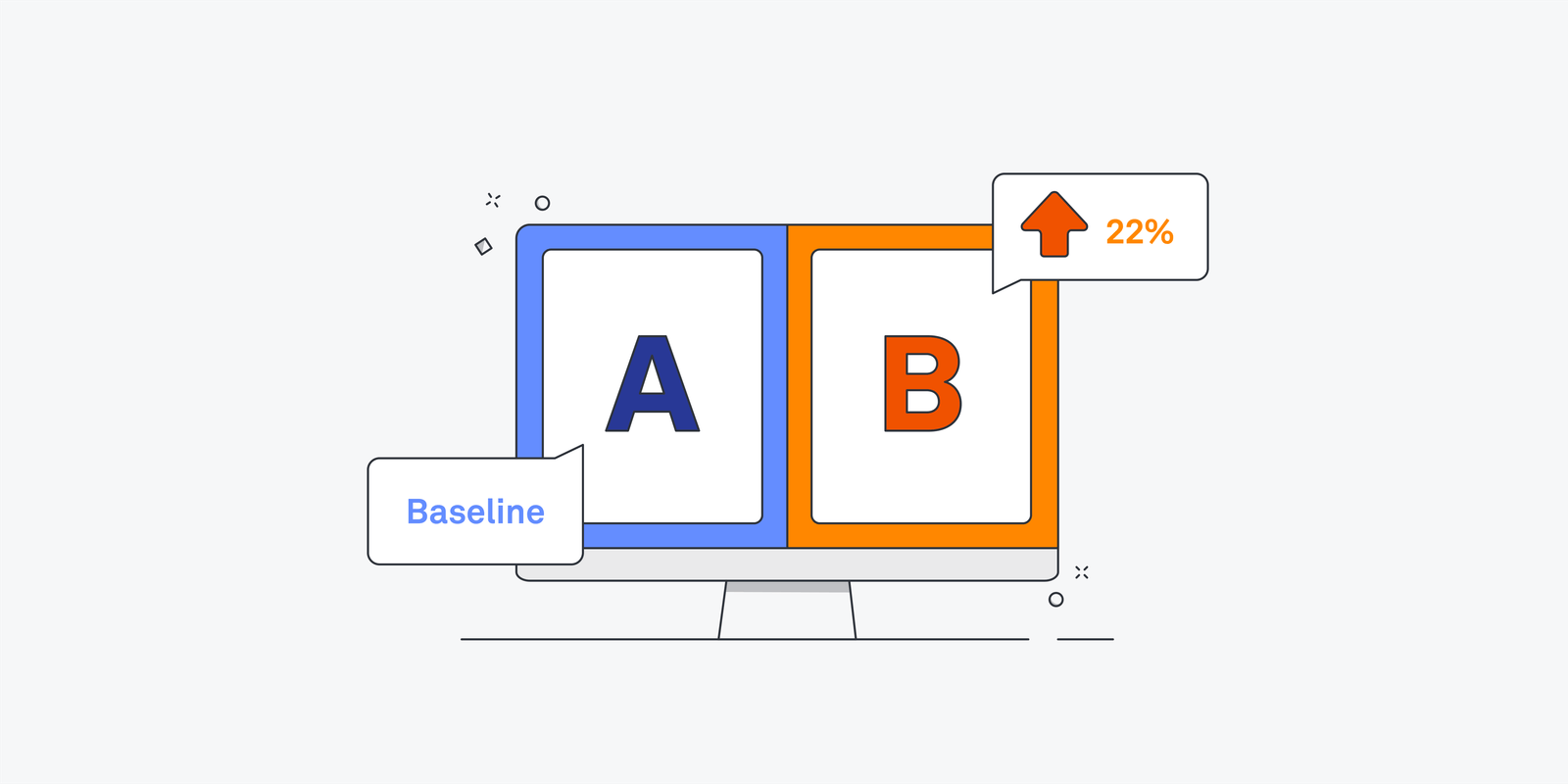
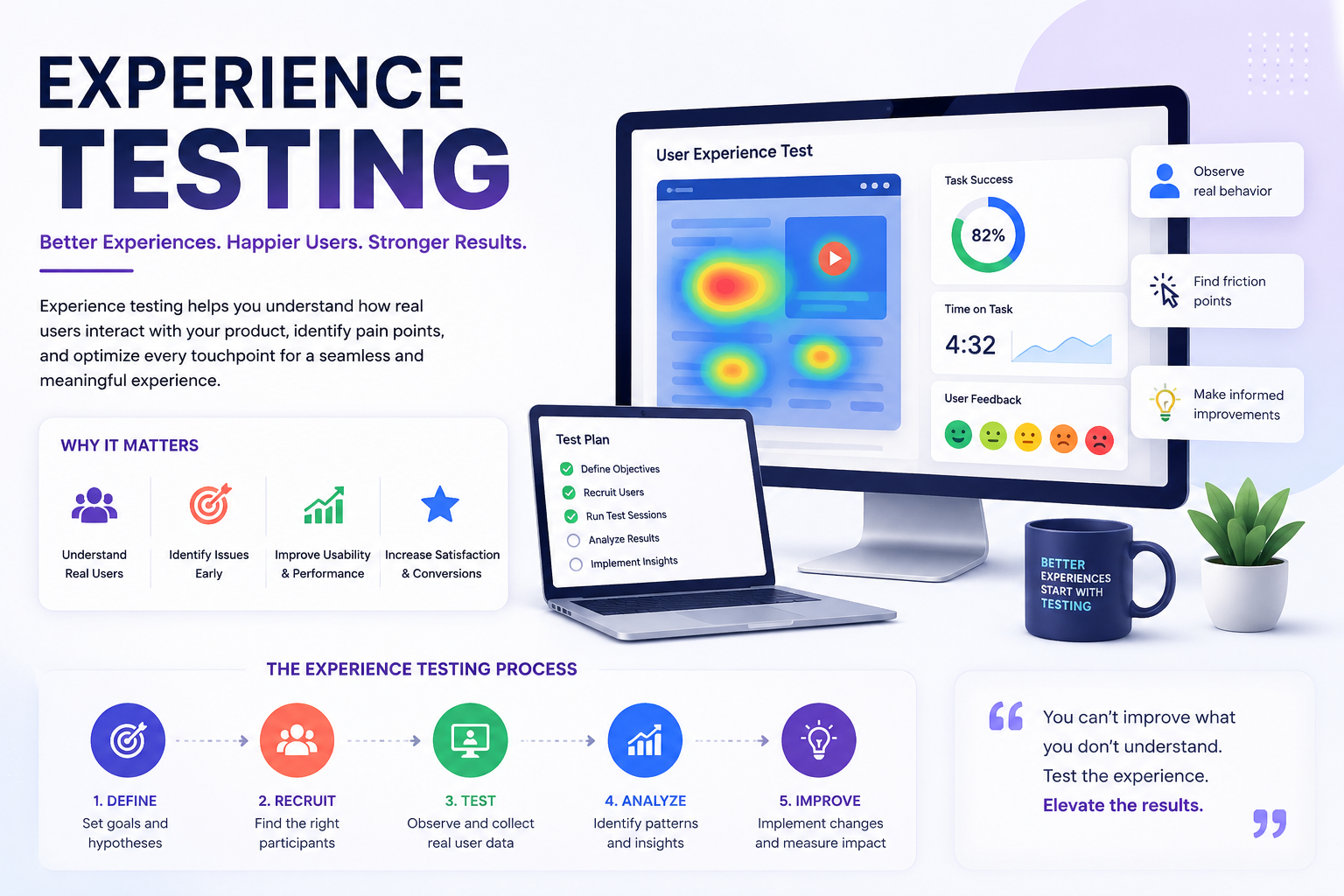
Experience testing is more than swapping a headline color. It is a structured way to compare page variants, offers, messaging, and layouts against a clear goal—add-to-cart rate, lead submissions, checkout starts, or revenue per session. Clean tests remove guesswork and replace opinions with evidence.
With AB Testing & Personalization, you can run audience-based page variants and controlled A/B tests without cluttering your stack. You define who sees what, measure outcomes, and promote the winning experience with confidence.
When experience testing pays off fastest
Start with one high-traffic decision. Test a single change that maps to a business metric. Document the hypothesis, run the test long enough for a fair sample, then roll out the winner and plan the next experiment.
Activity personalization: using behavior as the signal
Activity personalization uses onsite actions—page views, product views, cart events, form starts, and campaign interactions—to tailor the next experience. A visitor who browsed running shoes should not land on a generic homepage the next session. Someone who abandoned a cart deserves a different prompt than a brand-new browser.
That only works when you can see activity clearly. Website Tracker gives growth teams event-level metrics so personalization is based on real behavior, not assumptions. Pair tracking with Audience Manager to build segments and stitch identity across channels, so the same person can receive a consistent experience onsite, in email, and in overlays.
Practical activity-based personalization examples
- Browse-depth audiences: Visitors who viewed three or more PDPs get a recommendation block or category spotlight on return.
- Cart abandoners: Show a targeted overlay or personalized cart reminder instead of a generic newsletter popup.
- High-intent readers: People who spent time on shipping or comparison pages get clearer trust messaging and a stronger CTA.
- Campaign returners: Traffic from a specific email or ad sees a matching landing variant to keep the story continuous.
The goal is relevance without friction. Personalization should feel helpful—faster path to the right product, clearer offer, fewer distractions—not like surveillance.
How to build a simple experience testing workflow
Use a repeatable loop so experiments stay useful and measurable.
1. Define the outcome
Pick one primary metric per test. If you optimize for everything, you learn nothing. Conversion rate, average order value, or qualified leads are common anchors.
2. Map the audience
Not every visitor belongs in every test. Segment by source, device, lifecycle stage, or recent activity. Audience-based variants keep results clean and make personalization safer to scale.
3. Create a focused variant
Change one meaningful element at a time when you are learning. Once your team is confident, you can test fuller experience packages—layout plus offer plus CTA—as long as you still know what success looks like.
4. Track the journey
Measure not only the final conversion but the path: clicks, scroll depth where relevant, product interactions, and form starts. Activity data explains why a variant won.
5. Personalize the winner
After a clear result, do not only ship the winning page globally. Apply it where it belongs—certain audiences, certain intents—so your best experience stays matched to the right people.
Common mistakes to avoid
Great personalization is earned by measurement. Test the experience, watch the activity, then refine the audience.
FAQs
Is experience testing only for large ecommerce brands?
No. Any site with meaningful traffic can benefit. Even modest catalogs gain from clearer offers, better PDP structure, and smarter follow-up for engaged visitors.
How is activity personalization different from basic A/B testing?
A/B testing compares variants. Activity personalization decides who should see which experience based on behavior. The strongest growth programs combine both: test to find winners, then deliver those winners to the right audiences.
What should I personalize first?
Start with high-intent moments—PDP, cart, and return visits after product browsing. Those surfaces usually move revenue faster than broad homepage experiments alone.
Do I need multiple tools to do this?
You should not have to. PRZIO connects testing, audiences, tracking, campaigns, and related growth products in one platform so your team can move from insight to live experience without endless handoffs.
Want to put this into practice?
Want to integrate this into your storefront or website? PRZIO helps you ship hosting, personalization, campaigns, and recommendations from one platform. Explore AB Testing & Personalization to launch audience-based variants, use activity signals to refine who sees what, and book a demo to map a testing and personalization plan for your site.