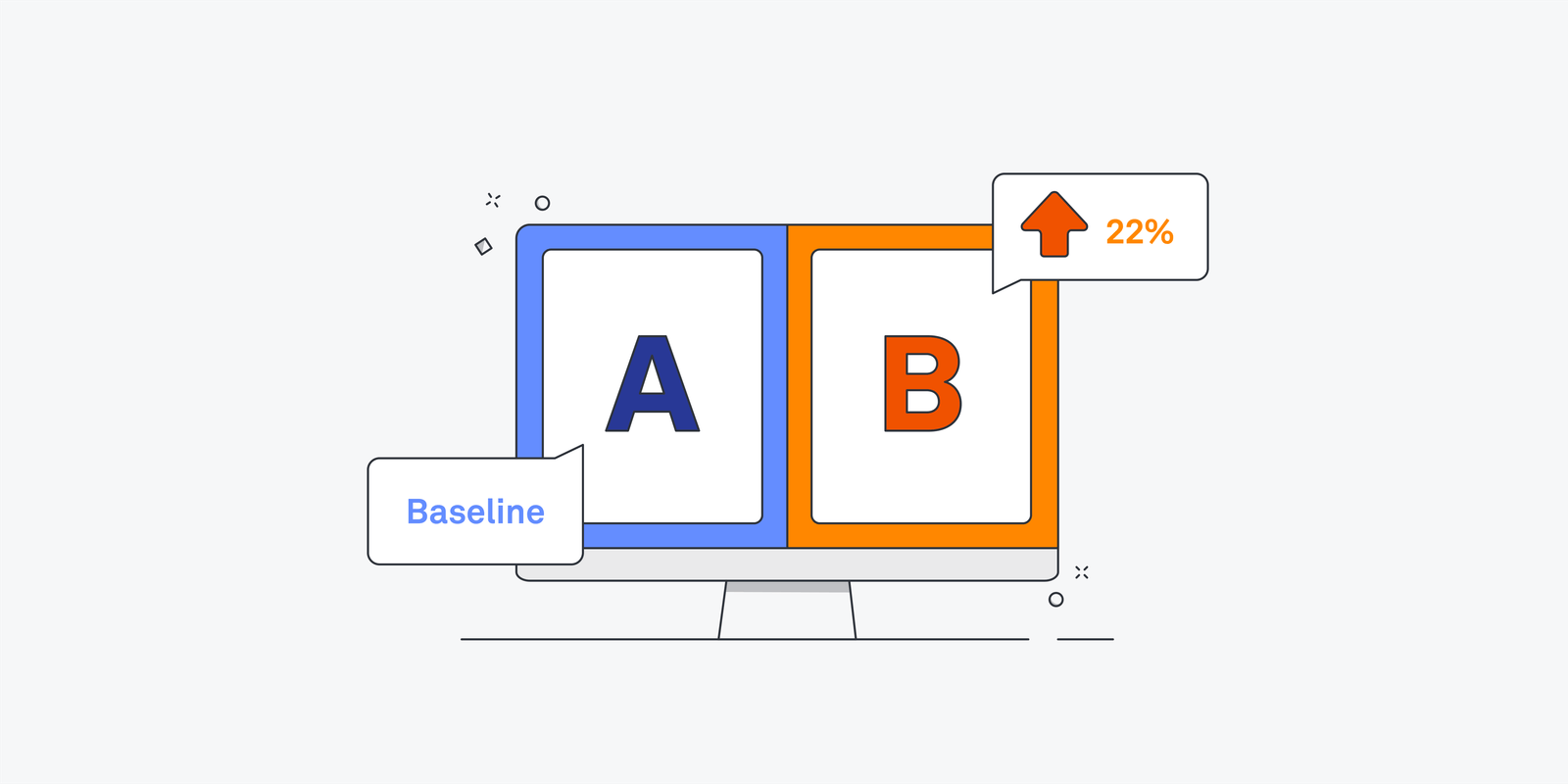
A/B testing is a method for comparing two versions of a webpage, popup, email, product recommendation block, or onsite experience to see which one performs better. Instead of guessing which headline, layout, offer, or call to action will convert more visitors, you show version A to one group of users and version B to another group. Then you measure the result using real behavior, such as clicks, signups, purchases, revenue, or form submissions.
For ecommerce brands, SaaS companies, content sites, and growing online businesses, A/B testing is one of the most reliable ways to improve conversion rates. Small changes can have a major impact when they are tested properly. A clearer hero headline can increase product page engagement. A better popup offer can lift email signups. A different product recommendation layout can improve average order value. A simpler checkout message can reduce hesitation.
What Is A/B Testing in Simple Terms?
A/B testing means running a controlled experiment. You create two versions of the same experience. Version A is usually the current version, also called the control. Version B is the new version, also called the variation. Traffic is split between the two versions, and performance is compared after enough visitors have seen both.
For example, imagine your homepage button currently says Shop Now. You want to know whether Find Your Perfect Product will drive more clicks. Instead of changing the button for everyone and hoping for the best, you test both versions. If the new button gets more qualified clicks and leads to more purchases, you have evidence that the change is worth keeping.
PRZIO helps teams run this kind of experiment through AB Testing & Personalization, where marketers can create audience-based variants and clean tests without turning every optimization idea into a long development project.
Why A/B Testing Matters
Digital growth is full of assumptions. Teams may believe a discount will work better than free shipping, a shorter form will capture more leads, or a personalized product grid will create more revenue. Sometimes those assumptions are correct. Often, the data tells a different story. A/B testing gives your team a repeatable way to learn what actually works for your visitors.
Common A/B Testing Examples
Homepage Messaging
Your homepage is often the first place users decide whether your brand is relevant. You can test headlines, subheadlines, hero images, trust badges, CTA buttons, and above-the-fold layouts. A test might compare a product-focused headline against a benefit-focused headline to see which drives more product views or signups.
Product Pages
Product detail pages are ideal for A/B testing because visitors are already close to a buying decision. You can test product descriptions, image order, size guide placement, urgency messages, review displays, recommendation modules, and add-to-cart button copy. With Product Recommendations, brands can also test how AI merchandising blocks affect product discovery, cart value, and repeat browsing.
Popups and Offers
Popups can perform extremely well when they are relevant and well timed. You can test exit-intent offers, welcome discounts, lead magnets, free shipping thresholds, and audience-specific messages. PRZIO Popup Campaigns helps growth teams launch targeted overlays that can be measured and improved instead of treated as one-time campaigns.
Email Campaigns
A/B testing is also powerful in email. You can test subject lines, preview text, hero offers, email layout, product sections, and CTA copy. Even small improvements in open rate or click-through rate can create meaningful revenue when applied across a full customer list.
How to Run a Good A/B Test
- Start with a clear goal: Choose one primary metric, such as purchases, signups, add-to-cart clicks, or demo requests.
- Form a hypothesis: Write what you believe will happen and why. For example, showing free shipping earlier will increase checkout starts because shoppers will understand the value sooner.
- Create one meaningful variation: Avoid changing too many things at once unless you are testing a full page concept. Simple tests are easier to interpret.
- Split traffic fairly: Visitors should be assigned consistently so the comparison is clean.
- Let the test collect enough data: Ending a test too early can lead to false conclusions.
- Apply the learning: A winning test should guide future messaging, design, targeting, and campaign strategy.
A/B Testing and Personalization Work Better Together
A/B testing answers which version performs better overall. Personalization goes one step further by asking which version works best for each audience. A returning customer may respond to loyalty messaging, while a first-time visitor may need education and reassurance. A high-intent cart visitor may need urgency, while a casual browser may need product discovery.
This is where PRZIO becomes especially useful. With Audience Manager, teams can build segments and connect customer identity across channels. That means your tests can move beyond generic page changes and become more relevant to visitor behavior, source, lifecycle stage, or purchase intent.
What Should You Measure?
The best metric depends on the purpose of the test. A landing page test may focus on form submissions. A product page test may measure add-to-cart rate or revenue per visitor. A popup test may measure email capture rate and downstream purchase behavior. A recommendation test may measure clicks, cart additions, and average order value.
Do not judge every test by clicks alone. A button that gets more clicks but fewer purchases may not be a true winner. Strong A/B testing connects surface-level engagement with business outcomes. That is why tracking events across the customer journey matters.
Common A/B Testing Mistakes
CTA: Turn A/B Testing Into a Growth System
Want to integrate this into your storefront or website? PRZIO helps you ship hosting, personalization, campaigns, and recommendations from one platform. Explore PRZIO AB Testing & Personalization to test page variants and audience-based experiences, or book a demo to talk through how PRZIO can support your growth stack.
FAQs About A/B Testing
Is A/B testing only for large websites?
No. Large websites can reach results faster because they have more traffic, but smaller websites can still test important changes. The key is to focus on high-impact pages and meaningful conversion actions.
How long should an A/B test run?
It depends on traffic volume, conversion rate, and the size of the expected improvement. Most teams should avoid ending tests after only a small number of visits or conversions. Reliable results need enough data to reduce random noise.
What is the difference between A/B testing and personalization?
A/B testing compares versions to find a winner. Personalization adapts the experience for different audiences. The strongest growth programs use both: testing to learn what works, and personalization to deliver the right version to the right visitor.
A/B testing is not just a marketing tactic. It is a disciplined way to make your website smarter with every experiment.